
In the current digital era, companies encounter an increasing array of cybersecurity risks. From ransomware and phishing to DDoS assaults and insider dangers, the threats are ubiquitous. One of the most efficient methods to safeguard your business’s digital resources is by utilizing firewall management services. An effectively managed firewall serves as the primary barrier against unauthorized access, data breaches, and cyberattacks.
In this guide, we will examine what firewall management services entail, their importance for businesses of every size, and how expert firewall management can aid in maintaining your security and compliance.
What Are Firewall Management Services?
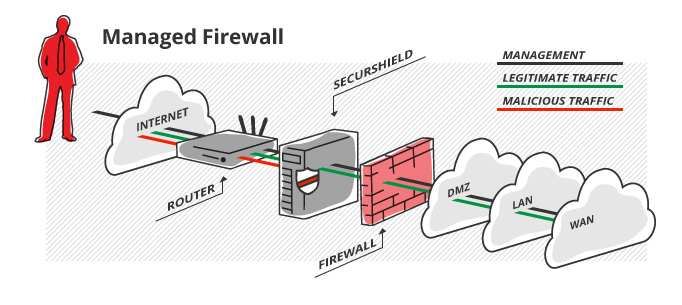
Firewall management services include the setup, oversight, upkeep, and enhancement of firewall systems. Firewalls serve as a protective wall between your internal network and outside threats, screening traffic according to established security protocols.
Managed firewall services go beyond just setting up a firewall. They include:
1. Configuration of firewall and setting of rules
2. Continuous surveillance for unusual behavior
3. Routine updates and patch maintenance
4. Response to incidents and detection of threats
5. Reporting on compliance and conducting audits
Firewall management may be conducted internally; however, numerous organizations opt for managed security service providers (MSSPs) to guarantee professional supervision and continuous security.
Reasons Why Companies Require Firewall Management
With the increasing complexity of IT environments, managing a firewall isn’t a one-time setup. It’s a continuous process that evolves with new threats and changes in the network. Here’s why investing in firewall management services is critical:
1. Evolving Cyber Threats
Cyber threats are growing increasingly advanced each day. Cybercriminals employ sophisticated strategies to evade conventional security measures. Your business is at risk without ongoing firewall monitoring and updates.
2. Network Complexity
As companies expand and embrace cloud services, remote employment, and IoT devices, network architectures become increasingly intricate. One incorrect setting can lead to vulnerabilities. Skilled firewall management guarantees that your whole network stays protected.
3. Compliance Requirements
Sectors like healthcare, finance, and eCommerce are required to adhere to regulations such as HIPAA, PCI-DSS, and GDPR. Firewall management services assist in ensuring that your systems adhere to all required compliance standards by implementing security policies and generating audit-ready reports.
4. Business Continuity
A security incident may result in inactivity, loss of data, and harm to reputation. Firewall management ensures network availability by detecting and mitigating threats prior to affecting your operations.
Key Features of Professional Firewall Management Services
Not all firewall options are made the same. When selecting a provider, seek a complete range of services designed specifically for your business requirements. Here are several key characteristics:
1. Advanced Threat Detection
Managed firewall services employ intrusion detection systems (IDS) and intrusion prevention systems (IPS) to oversee traffic for harmful activities. These systems notify administrators and automatically prevent recognized threats.
2. Real-Time Monitoring
Ongoing surveillance guarantees that any dubious behavior is detected right away. This shortens the interval between detection and response, lowering possible harm.
3. Proactive Firewall Updates
Cybersecurity is not a task that can be set and then ignored. Firewalls need regular updates to maintain their effectiveness. A managed service guarantees that your firewall’s firmware and settings are consistently current.
4. Log Analysis and Reporting
Firewall logs provide essential details regarding attempted breaches, restricted IPs, and access attempts. Managed services examine these logs to identify patterns and trends, aiding in the prevention of future attacks.
5. Customized Rule Management
Firewall rules dictate which traffic is permitted or blocked. Excessively broad regulations may lead to vulnerabilities, whereas excessively stringent rules can impede legitimate actions. Skilled firewall administrators adjust your policies for the best possible balance.
Types of Firewall Solutions
Many kinds of firewalls exist, and the ideal option relies on your business requirements. Typical varieties consist of:
1. Network Firewalls
These are devices, either hardware or software, positioned at the boundary of your network. They screen traffic according to IP address, port, and protocol.
2. Web Application Firewalls (WAF)
A WAF safeguards web applications by overseeing and filtering HTTP traffic between an internet connection and the web application. This is crucial for companies that have websites accessible to the public.
3. Next-Generation Firewalls (NGFW)
NGFWs surpass conventional firewalls by incorporating capabilities such as application identification, in-depth packet analysis, and threat insights.
4. Cloud-Based Firewalls
Also referred to as firewall-as-a-service (FWaaS), these firewalls are based in the cloud and are perfect for companies with remote teams and cloud setups.
Benefits of Outsourcing Firewall Management
Partnering with a managed firewall service provider offers several advantages:
1. Cost-Effectiveness
Hiring and training an in-house cybersecurity team can be expensive. Managed services offer enterprise-grade protection at a fraction of the cost.
2. 24/7 Expert Support
Receive 24/7 oversight and assistance from certified security professionals who are experts in detecting and addressing threats.
3. Scalability
As your company expands, your security requirements evolve. A managed service provider can adjust your firewall infrastructure as needed, whether you’re opening new offices, moving to the cloud, or growing internationally.
4. Peace of Mind
Having the assurance that professionals are safeguarding your network allows you to concentrate on growing your business, rather than dealing with security threats.
How to Choose the Right Firewall Management Service Provider
Choosing the right partner is crucial for the success of your cybersecurity strategy. Consider the following when evaluating providers:
1.Skills and qualifications (e.g., CISSP, CEH, CompTIA Security+)
2.Around-the-clock assistance and reply durations
3.Variety of compatible firewall brands (Cisco, Fortinet, Palo Alto, etc.)
4.Personalized service plans
5.Clear reporting and frequent audits
Consistently request client testimonials or case studies to understand how the provider has assisted companies similar to yours.
Firewall Management and the Zero Trust Approach
Numerous organizations are implementing a Zero Trust Security model, which assumes that no user or device should be automatically trusted. Firewall management is crucial in this strategy by implementing stringent access controls and dividing networks to minimize the dissemination of threats.
By combining firewall rules with identity and access management (IAM) systems, companies can guarantee that only permitted users can reach confidential resources.
In a reality where data breaches and cyberattacks make daily news, firewall management services are vital — they are necessary. Regardless of whether you operate a small business or a large corporation, active firewall management guarantees that your network stays secure, adheres to regulations, and is optimized for efficiency.
